
An alternative
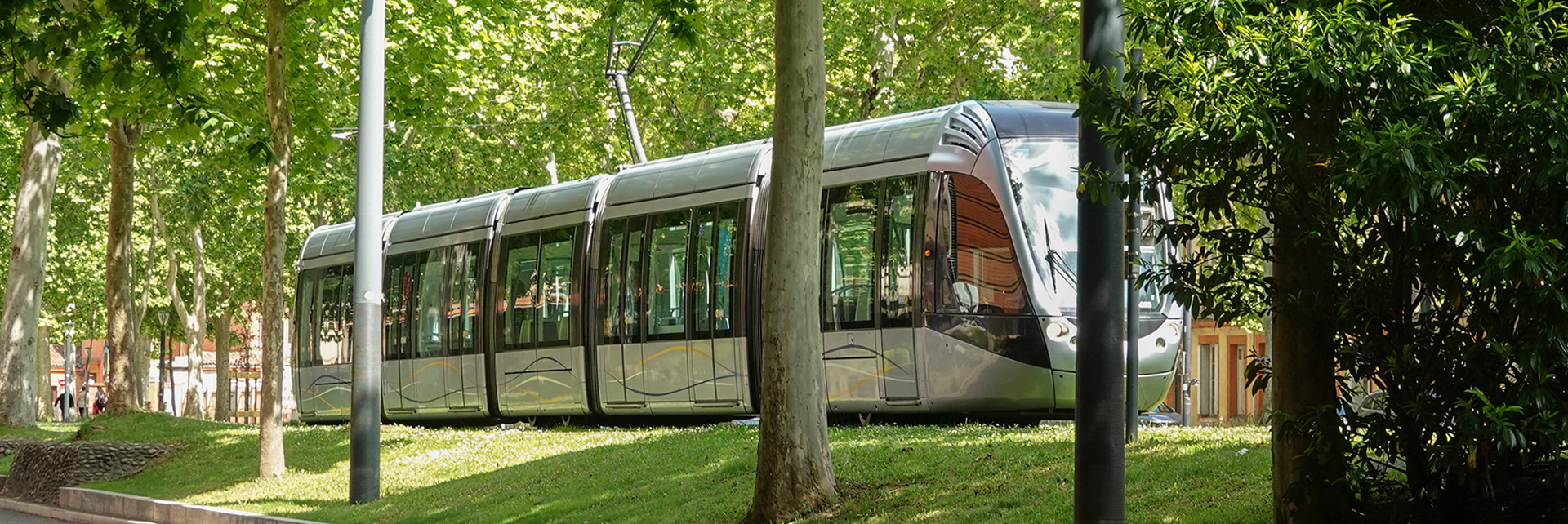
In Padua, the Municipality is developing a Tramway Network Metropolitan System designed to transform the tram into a concrete alternative to the private car.
Today, one in three journeys in Italy is made using sustainable transport, but the transition is proving more complex
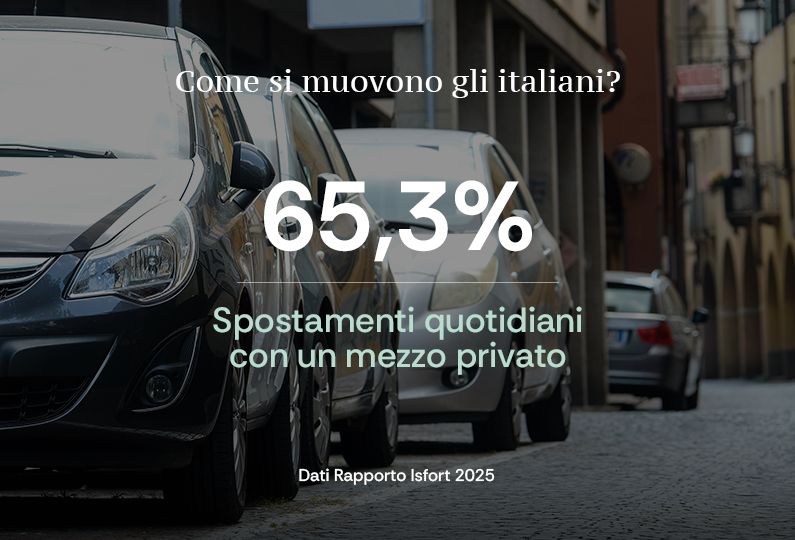
One data point captures the current state of mobility in Italy better than any other: 34.7% of journeys are made using sustainable modes of transport or on foot, while the remainder still involve private vehicles (Isfort 2025 Report).
In recent years, signs of change have emerged: electric mobility is becoming more widespread, the use of shared mobility services is increasing and, particularly in urban areas, more people are turning to public transport and active mobility.
However, as noted by the Isfort Report on the mobility of Italians, these steps forward are still insufficient to deeply alter a model that remains heavily anchored to the private car.
The question then becomes a different one: how can we make sustainable mobility the most "natural" choice?
Not just available, but also simpler, more convenient, and more efficient for citizens and businesses alike?
To answer this, we need to take a closer look at the signs of change already underway, examine the unresolved critical issues, and identify the levers that can complete the transformation.
From the current context a dynamic reality emerges. Certain indicators show that change is already underway.
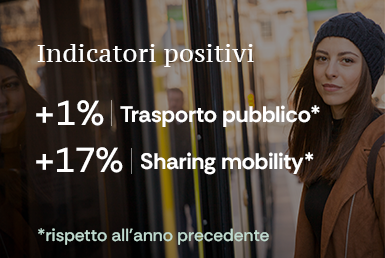
In the first half of 2025, micromobility which includes bicycles, scooters, and other light vehicles, exceeded 5% of all trips for the first time, while public transport recovered nearly one percentage point compared to the same period of the previous year.
Overall, the share of sustainable travel reached 34.7%, recovering most of the decline recorded after the pandemic and approaching pre-2020 levels (Isfort Report)
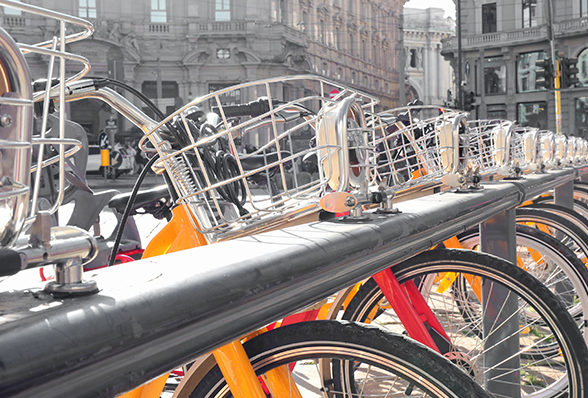
Another sign of transformation comes from sharing mobility namely the short-term rental, especially in urban areas, of vehicles such as cars, bicycles, and e-scooters. In recent years, these services, which are primarily used for short trips and managed via apps, have integrated into the daily habits of Italians, progressively altering the urban travel ecosystem.
According to the 9th Report of the National Sharing Mobility Observatory, shared mobility services exceeded 50 million rentals in Italy in 2024. Furthermore, during the first four months of 2025, they recorded a 17% growth compared to the same period of the previous year, with a projected annual total approaching 60 million trips.
These data reflect a cultural shift: driven by digitalization and a growing familiarity with platforms providing access to on-demand services: for an increasing share of citizens, mobility no longer necessarily means owning a vehicle, but rather having the flexibility to choose the best solution for their travel needs on a case-by-case basis."
The challenge is making those services increasingly widespread and accessible. In fact, the growth of new forms of mobility also highlights one of the primary blind spots of the Italian transition: uneven access to sustainable mobility services across the country.
Shared mobility, for example, remains heavily concentrated in major urban centers: approximately 90% of rentals occur in just ten Italian cities, with Rome and Milan leading the way with 13.2 and 12.6 million rentals respectively (together accounting for over 50% of the national total). In small towns and many suburban areas, the availability of innovative alternatives to private cars remains much more limited.
The chart shows that shared mobility is a sustainable transport option used predominantly in large urban centres.
Despite a significant increase in cycling in Italy (which, for the first time, accounts for 5% of all journeys), the gap between northern and southern Italy in the availability of cycle lanes remains substantial (Istat).
Similar disparities exist in Mass Rapid Transit (MRT), which includes metro systems, tramways, local rail networks and trolleybuses. The MRT network now extends for approximately 858 kilometres nationwide, but is concentrated in just 21.1% of Italian municipalities (Istat Urban Environment Report 2025).
69.9 kilometres of cycle lanes per 100 km²
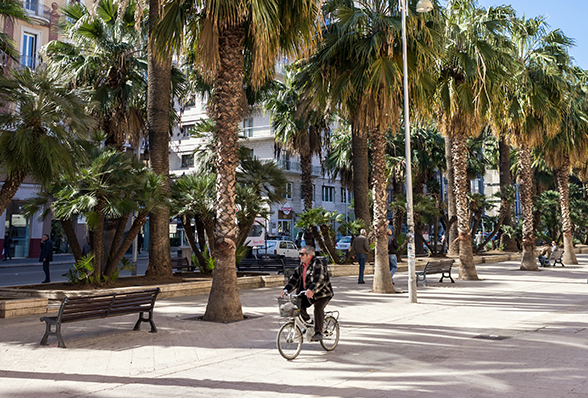
7 kilometres of cycle lanes per 100 km²
1. Investments and Project Capacity
As the figures show, access to sustainable mobility options still depends heavily on where people live. Bridging this gap requires two essential elements: financial resources and the capacity to turn them into viable projects. In this context, CDP supports the transition through a range of measures outlined in its strategic guidelines for the green and just transition.
In the 2023–2025 period, CDP contributed to the development of sustainable mobility with more than €1 billion euros of investments directed toward urban mobility projects and local public transport. The resources contributed to the financing of 173 operations, yielding a significant impact on renewing the rolling stock and fleet in circulation (buses/metro), modernizing and upgrading rail infrastructure, and developing active mobility.
CDP’s commitment has also extended to the development of technical and project planning expertise. In this regard, instruments such as CDP's advisory services and Public-Private Partnerships are taking on increasing importance, as they are capable of combining public resources and private expertise to implement strategic projects. An example of this is the collaboration with the city of Milan under the InvestEU program, through which CDP supports the development of cycle networks for urban travel.
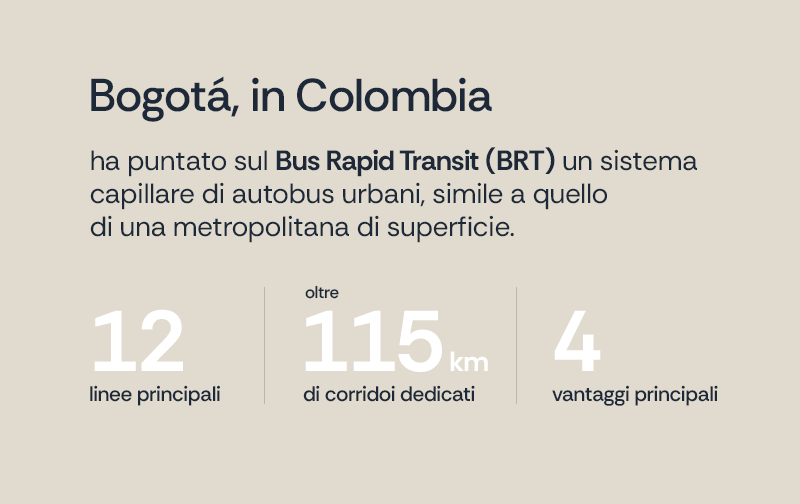
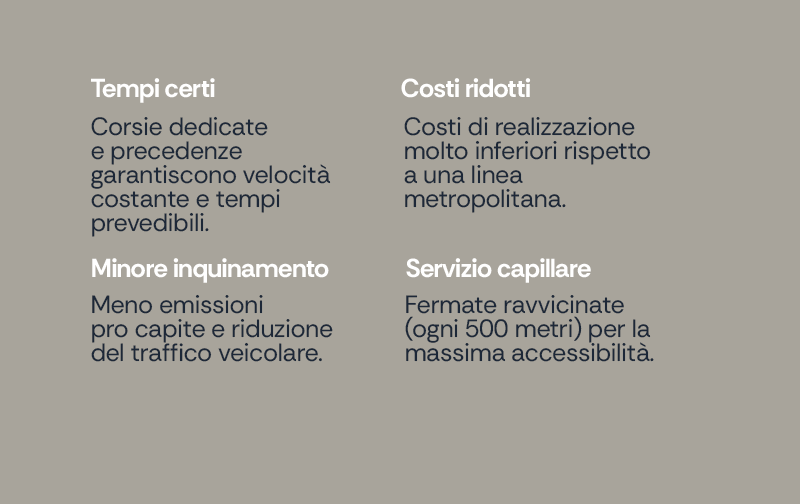
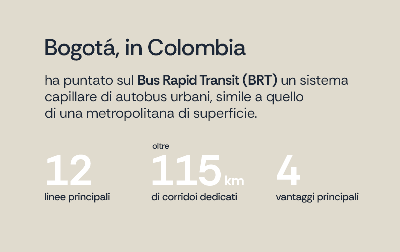
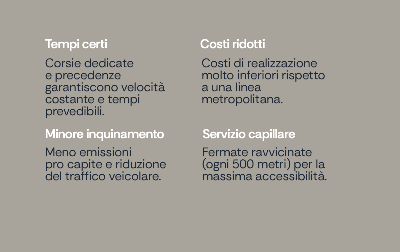
One solution gaining ground in several countries is Bus Rapid Transit (BRT), an extensive urban bus network operating in dedicated lanes. It offers construction times and costs that are lower than those of a surface-level metro system, while delivering comparable performance.
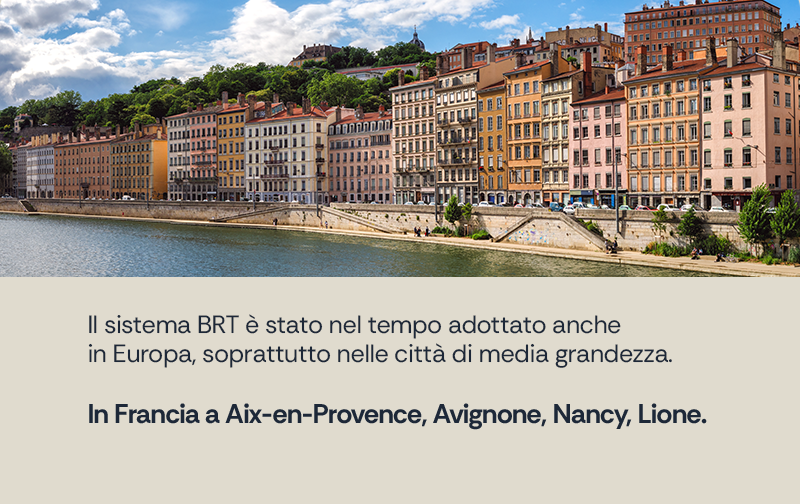
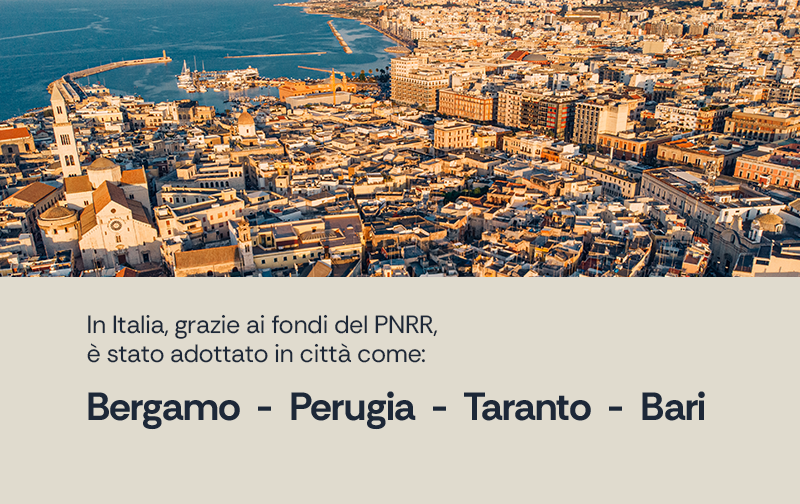
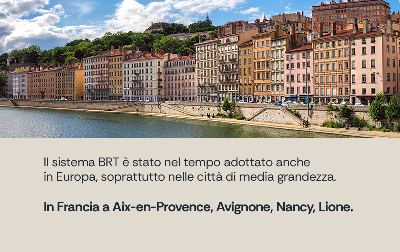
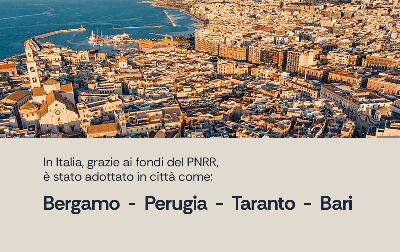
The model first proved successful in Bogotá, Colombia, with the TransMilenio network, and was subsequently adopted in France. Bergamo, Perugia, Bari and Taranto are now introducing BRT systems with advisory support from CDP, seeking to capitalise on their environmental and economic benefits while improving service quality.
2. Prioritising rail transport
Another key priority is strengthening rail-based public transport, including metro and tram networks, particularly in urban areas where a significant share of travel demand is concentrated. In recent years, major projects have been launched to expand urban transport networks. These complex initiatives require a long-term vision and the ability to coordinate efforts across different levels of government.
In this area, CDP has supported the expansion of urban mobility, contributing to the development of more efficient and sustainable transport systems and working with various local authorities, as in the cases of Padua and Genoa. In the port city, CDP is supporting the development of the local public transport network, with a particular focus on the metro system.
In Padua, the Municipality is developing a Tramway Network Metropolitan System designed to transform the tram into a concrete alternative to the private car.
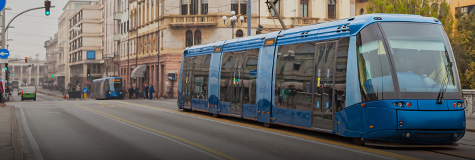

CDP has supported the Municipality of Padua with technical and project advisory activities, accompanying the administration through the most complex phases of the project, from the tendering strategy to progress monitoring.
3. Electrification and Digital Innovation
Another pillar of the transformation concerns the electrification of transport. Today, Italy has nearly 84,000 active electric charging points, a figure that places the country among those with the highest infrastructure availability in Europe.
However, the future growth of electric mobility will require further development of supporting infrastructure: the National Integrated Energy and Climate Plan envisages leap in scale: national scenarios project a potential expansion of the electric vehicle fleet to up to 6.5 million vehicles, making it necessary to continue developing widespread, fast charging networks that are fully integrated with energy systems.
Digitalisation is also essential. Intelligent traffic flow management, the development of Mobility as a Service (MaaS) platforms (a mobility model that facilitates intermodal travel by integrating different public and private transport services into a single digital platform), and data analysis can help make journeys more efficient and personalised.
CDP has financed a range of transport electrification projects, supporting the renewal of public transport fleets, the installation of charging stations and the adoption of intelligent mobility management systems, helping to promote increasingly sustainable and efficient transport solutions.
The figures point to a transformation that is still under way, but already visible. Sustainable mobility is gaining ground in cities, in people's daily habits and in investment policies.
The challenge in the coming years will be to turn these encouraging signs into structural change, narrowing regional disparities, particularly in areas where alternatives to private cars remain limited. Because more sustainable mobility is not merely an environmental choice, but a prerequisite for a more competitive country, and also depends on the ability to provide everyone with simpler, more efficient and accessible transport options.