Challenges and Opportunities for Italian Shipbuilding in the New Global Scenario
What role can shipbuilding play in a global landscape shaped by rising geopolitical tensions, new security and defence needs and changes in energy markets? What are the strengths underpinning Italy’s competitive position, and what are the main challenges facing the supply chain? How are the energy transition, digitalisation and the development of new segments creating new opportunities for the industry?
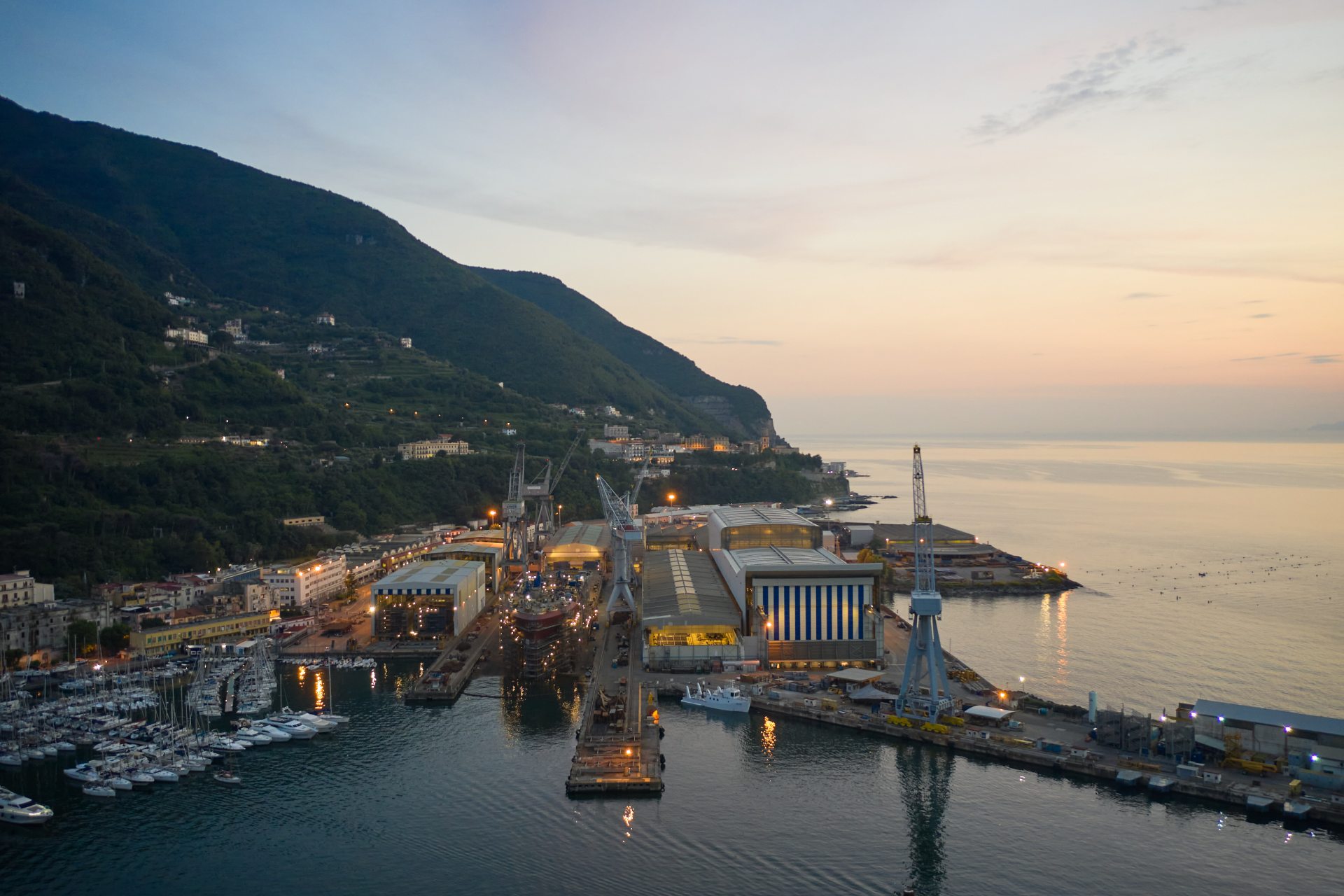
These are some of the key questions addressed in the new brief by the Sectoral Strategies, Scenarios and Impact Directorate, which examines the evolution of the shipbuilding industry in the new international context, focusing on Italy’s positioning, the factors supporting its competitiveness and the main development pathways for a supply chain of strategic importance to the national economy.
Read the study’s key messages and download the full document for further insights.
- The shipbuilding industry is entering a new phase of strategic relevance, driven by the recovery in maritime trade, growing defence and security needs, the transformation of energy markets and the transition towards lower-impact maritime technologies.
- Global production remains highly polarised: Asia dominates standardised, large-scale segments, while Europe focuses on more complex, higher-value-added production.
- Against this backdrop, Italy retains a leading position in cruise shipbuilding and a relevant presence in other shipbuilding segments, supported by an integrated supply chain combining large industrial players with a broad ecosystem of specialised SMEs.
The Italian supply chain has significant strengths, but it also faces important challenges:
- a growing shortage of technical and specialist skills, which risks constraining the sector’s production and innovation capacity;
- a renewed industrial policy push in the United States, aimed at strengthening domestic production capacity;
- China’s technological upgrading, which is moving the country towards segments with greater complexity and technological content.
At the same time, important growth opportunities are emerging for Italian shipbuilding:
- rising demand in defence and underwater technologies, supported by higher European investment in security;
- fleet decarbonisation, which is encouraging new investment in vessels powered by alternative fuels;
- the spread of automation and digitalisation across shipyards and vessels, with positive effects on productivity, process quality and high-value-added services.